Our assessment of GameServerKings
By Gaming Server Scout editorial. Based on documented services, not a hands-on performance test. How we assess hosting
GameServerKings gives buyers a more concrete resource comparison than a catalogue of low starting prices alone. Its reviewed game pages show named plans with RAM, NVMe disk space and a vCore or CPU-priority label, then expose a configurator for changing those choices. That is useful when an organizer knows the game and wants to understand what an upgrade actually buys.
The harder question is how those resources fit a particular community. The cards' descriptions suggest workloads, but they are not verified capacity profiles. A small Arma unit, a public TF2 server and an explored Vintage Story world place different demands on a host. GameServerKings is worth investigating when the documented resource tiers and game-specific controls match that workload; this review does not claim a rented-server test or measured performance advantage.
The game catalogue is broad, but the selected product matters
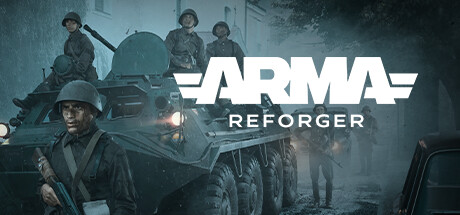
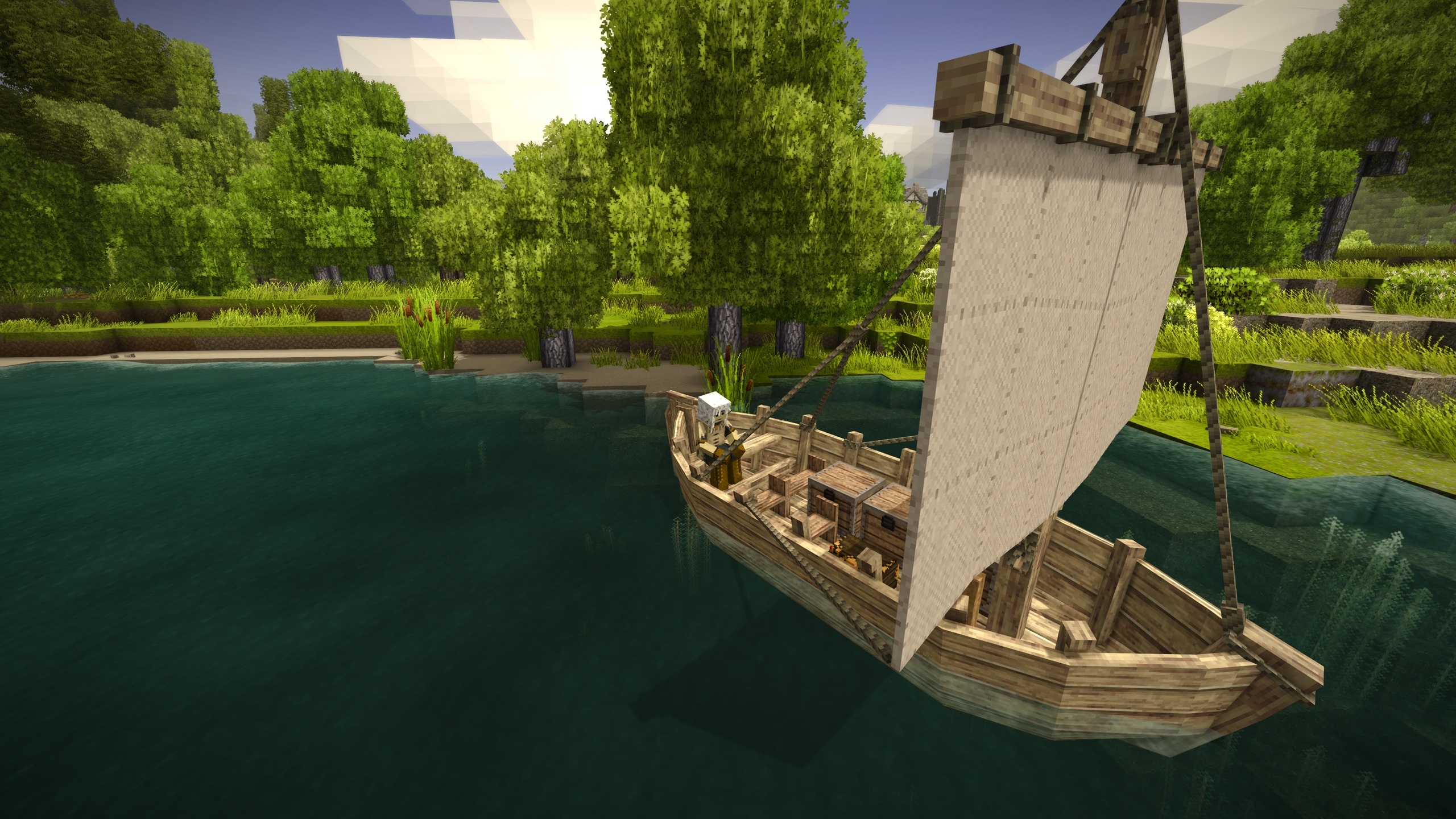
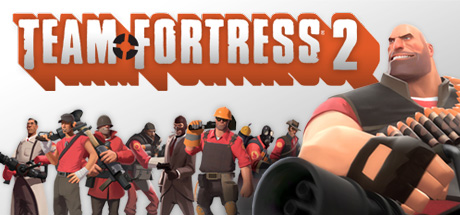
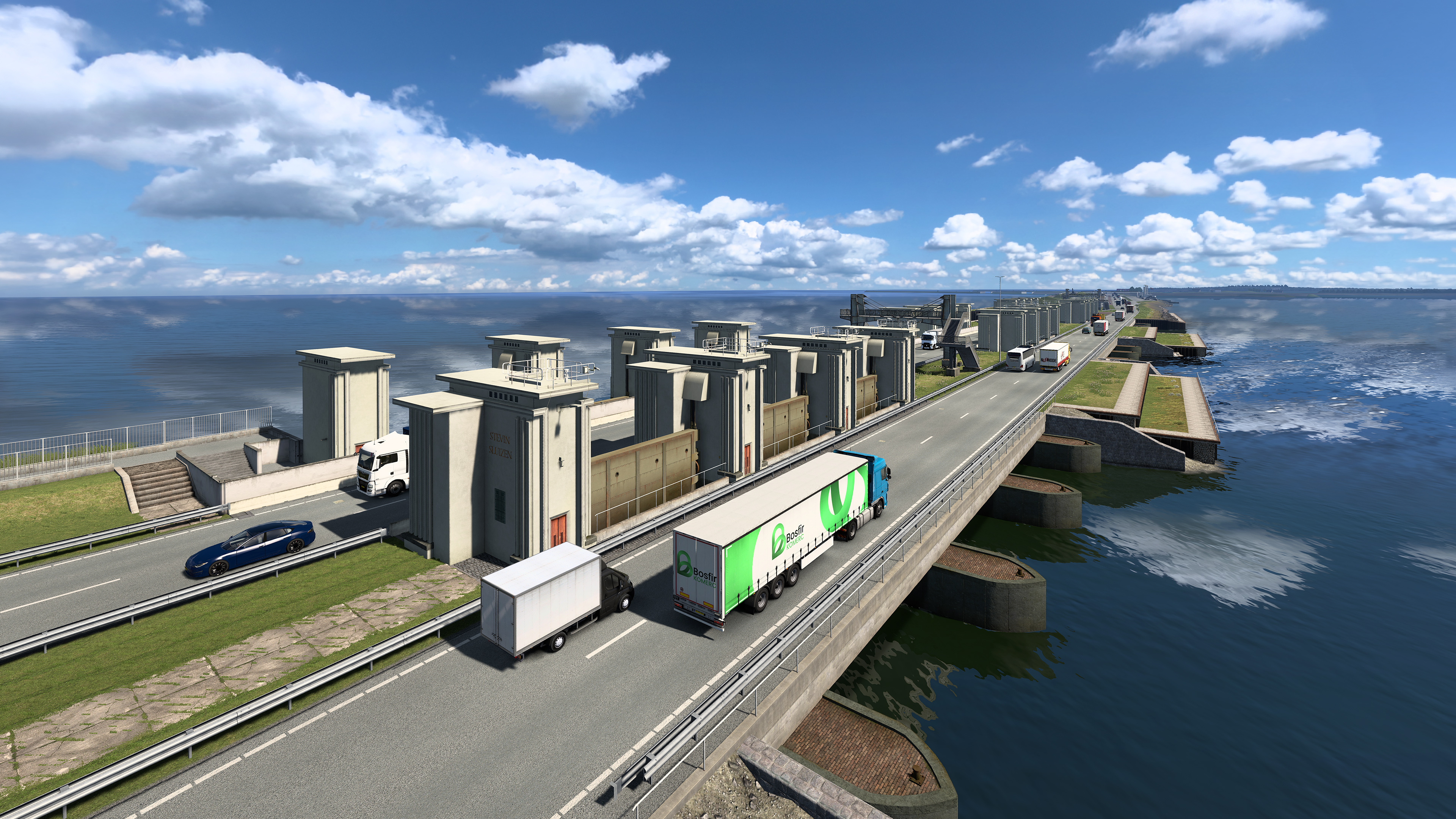
The official game catalogue includes survival, simulation and community-server games. Our selection deliberately focuses on Arma Reforger, Vintage Story, Team Fortress 2 and Euro Truck Simulator 2, which benefit from alternatives to the site's existing providers.
The service also sells dedicated machines, with different administration arrangements. Do not interpret a dedicated-server description as a promise that a shared game tier receives an entire physical processor. Begin with the exact managed game product and decide whether one instance or several simultaneously running servers are required. A larger package is useful only when the added allocation solves a defined need.
A higher tier changes more than the price
The November 17, 2026 Arma Reforger cards show Starter with 4 GB RAM and 20 GB NVMe for USD 7.80 per month, while Standard has 10 GB RAM and 30 GB NVMe for USD 20.00. That is a tangible memory and disk difference an organizer can weigh against a chosen scenario and mod list.
Vintage Story has a different progression: its reviewed Starter and Standard cards provide 2 GB and 6 GB RAM respectively. The fact that two products share a tier name does not make their allocations or prices equal. Compare the stated resources within the selected game; a single company-wide entry price would hide the distinction that helps a buyer choose.
Read CPU priority as its own specification
The cards use vCore counts and a CPU-priority label. Those are not confirmed dedicated physical cores, so the comparison records retain the advertised RAM and disk while leaving physical core counts unknown. This also avoids rounding a fractional vCore option into a different resource guarantee.
For Arma, describe the scenario, AI activity and Workshop content before asking whether a tier is adequate. For Vintage Story, include world exploration, view settings and the active mod collection. Memory can remove one constraint without fixing every simulation bottleneck. None of the provider's workload descriptions supplies a measured frame-time result for those exact settings.
Private groups and public communities need different checks
For a few friends, the useful starting point is the applicable sourced game profile plus the server configuration you intend to use. The smallest memory tier should not be promoted as a recommendation merely because its card says it is for a small group. Verify the workload first, then choose among the documented allocations.
For a public TF2 community, plugins, custom modes and map delivery can matter as much as the nominal player count. Its product page discusses SourceMod and plugin-heavy modes, but the listed plans do not turn a default panel player setting into a guaranteed capacity. An ETS2 organizer should similarly describe the exported session settings and mod requirements rather than assume that buying RAM changes the game's own session rules.
The panel exposes game-specific administration
The Arma Reforger page documents fields for scenario selection, browser visibility, anti-cheat choices and Workshop configuration. It says automatic updates check the game build and mods at restart. These controls are a useful fit for a group that would otherwise maintain the relevant configuration files manually.
There is also a trade-off: automatic updates can change a previously working modded setup. Arrange a restart window, retain the working configuration and check that clients can join after updates. The panel's file manager and live console can help diagnose the result, but an available control is not evidence that every Workshop combination is compatible.
Backups and downloads support a portable world
The reviewed product pages include automatic 24-hour backups, FTP/SFTP access and panel tools for scheduled or on-demand copies. They also describe downloading and restoring backups. That is relevant when migrating a persistent world, keeping a copy before a mod update or moving away from the service later.
The frequency label does not establish how many days of history are retained, whether every configuration file is included or how quickly a particular save can be restored. Ask which recovery point you would actually choose after a bad update. Keep an independent export before a significant change; an offsite copy and a restore workflow solve a different problem from adding another RAM tier.
A global location page is not every game's deployment list
The global network page includes locations beyond those shown on the selected game pages. The reviewed Arma product specifically presents Dallas, Ashburn, London and Frankfurt. A broader company footprint should not be copied into every package as confirmed availability.
Choose around the players who will connect regularly, then retain the actual location on the order. A closest-city label can depend on the visiting browser and is not a fixed property of an otherwise unspecified package. The site also says support can arrange a location migration. That is useful if a community changes geographically, without proving a particular ping or a zero-interruption transfer.
Optional extras and renewal affect the real payment
The configurator identifies dedicated IPv4 as an optional USD 5.00 monthly addition. A group using a normal allocated connection should not have that optional charge silently added to every base offer, while an organizer who specifically requires a dedicated address should include it in the selected quote.
The terms describe a minimum one-month service period and renewal arrangements, with cancellation handled in the client area. They also allow certain price changes, so an advertised current monthly amount is not a permanently fixed renewal guarantee. The terms describe a 72-hour refund window after delivery. Read those conditions before using the first weekend as a trial, and download the world before the account reaches suspension or deletion stages.
The SLA protects infrastructure, not every game crash
GameServerKings publishes a service-level agreement covering specified infrastructure and control-plane availability. It separately excludes problems caused by user-installed mods, game software, customer actions and exhausted package resources. That distinction matters: an infrastructure commitment does not guarantee that an overloaded or incorrectly configured game process will stay healthy.
For another resource-based comparison, examine Game Host Bros for its retained TF2, Vintage Story and ETS2 tiers, or BisectHosting for the appropriate Arma listing. Compare the same game, configuration and actual billing period. GameServerKings' clearest strength is visible resource progression paired with game-specific management; its remaining questions are real workload performance, exact sharing arrangements and recovery limits for the selected tier.