
Advertised paymentUSD 12.00per 30 days
- RAM
- 4 GB
- Player slots
- Unknown
- Regions
- US — East
A RAM-based option. Use a sourced sizing profile for your game and mods.
Mods · Backups · DDoS · NVMe

Bloom Host is worth shortlisting when a game server is becoming an ongoing project: several instances, deliberate recovery points and an organizer who wants to understand CPU allocation. DuckPanel and the distinction between shared and dedicated logical resources are more useful buying signals than the largest RAM number. Check the precise location, tier and renewal interval before choosing.
By Gaming Server Scout editorial. Based on documented services, not a hands-on performance test. How we assess hosting
Bloom's most interesting distinction is how its game plans combine a purpose-built control panel with different CPU allocation arrangements. Essentials uses shared logical resources, while Performance and Performance+ describe dedicated logical resources. Those are managed game instances rather than an entire physical machine. A community should establish which resource is reserved and what remains shared before comparing them with a bare-metal server.
The same resource selector appears on the Minecraft, Terraria, Rust and Hytale pages, with the chosen game passed separately to the installer. We count that common Game family once. It is useful if your friends change games, but the ability to install another title does not establish that the smallest plan can run every possible world or mod collection.
The reviewed Ashburn configuration describes Essentials at 4 GB with 60 GB NVMe storage and a displayed base payment of USD 12. Performance starts at 8 GB with 120 GB storage and USD 22; Performance+ at 8 GB with 150 GB storage and USD 28. These examples reveal different product tiers, not just a straight memory ladder. Performance+ advertises a different CPU platform at the same memory size.
Larger memory sizes also increase the finite disk allowance. That matters for growing worlds, alternate instances and retained files. A group running only one modest survival world should first decide whether the shared entry tier meets its software requirements. A network operator should budget resources for each backend and leave room for updates and temporary exports instead of allocating everything to the main process.
There is a billing detail worth noticing before budgeting a season. The product selector abbreviates its price as per month, but the subscription terms explicitly say subscriptions renew every 30 days. Our records preserve that stated fixed 30-day interval rather than silently treating it as a calendar month. Twelve calendar months and twelve 30-day periods are different lengths.
The published base prices are not a complete tax-and-extras quotation. The Performance+ coupon advertised on the site is also a separate first-invoice promotion; it has not been applied automatically to the ordinary records here. Check the actual invoice interval, optional dedicated IP costs where relevant and any buyer-specific tax before comparing a year's commitment with another provider.
Bloom's selector describes two shared logical cores for Essentials and increasing dedicated logical allocations for the higher tiers. We have not turned those numbers into a count of physical CPU cores. The Ashburn descriptions also differ from Germany and Singapore, so a generic claim that every Performance+ instance runs the same processor would be misleading.
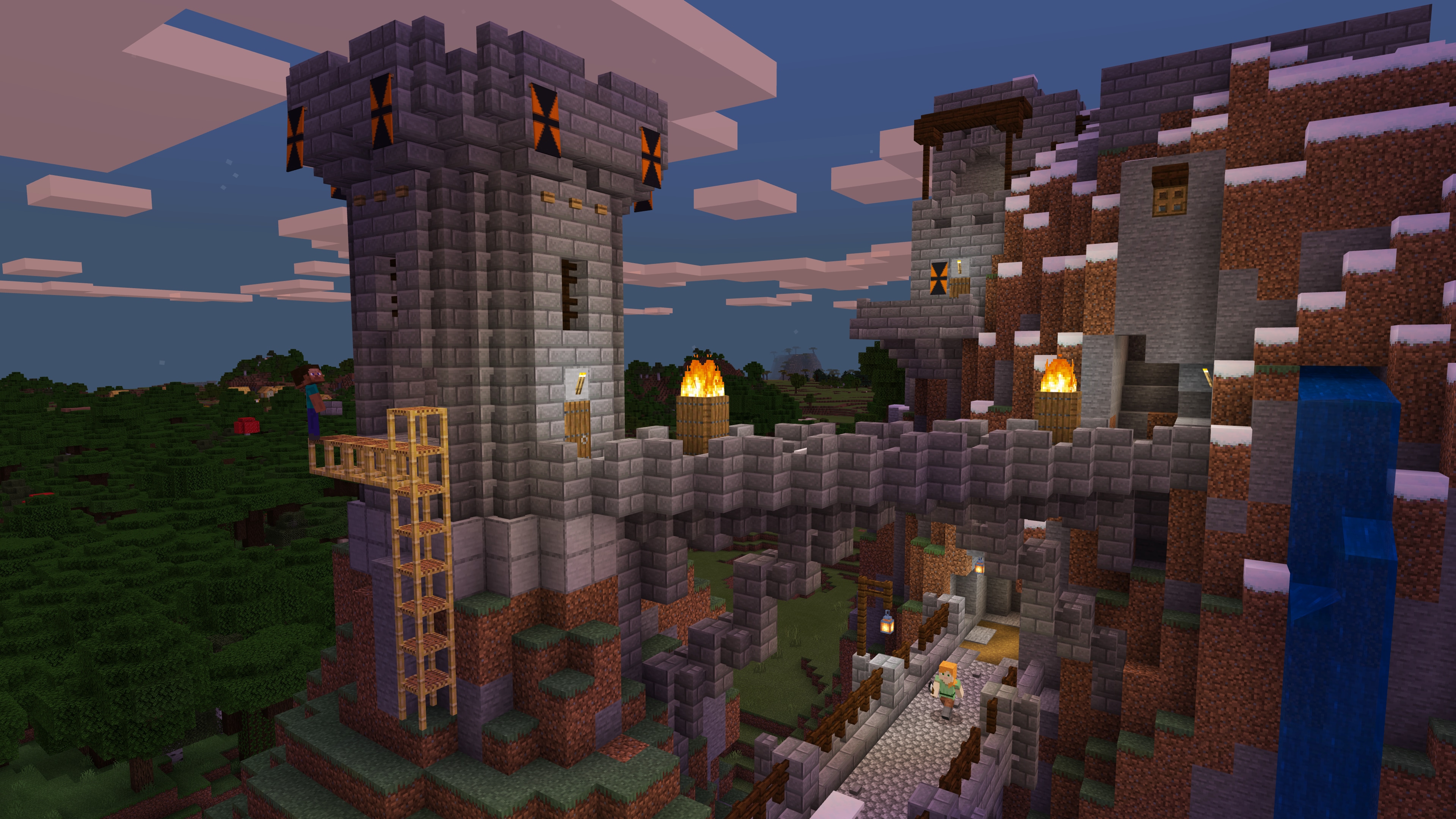
For Minecraft in particular, first identify the loader, pack, view distance and expected simultaneous exploration. A few friends in one base and the same head count generating distant terrain can stress a server differently. Use the applicable Minecraft requirements guidance to narrow memory choices, then compare the CPU allocation and location. More RAM will not by itself resolve a CPU bottleneck.
Performance and Performance+ advertise creating additional servers from one plan. This can be useful when a community needs a main world, a test instance or another game without buying an entirely separate resource pool. Essentials does not include the same multiple-server feature, so it should not inherit a higher tier's networking convenience simply because all tiers use DuckPanel.
A split distributes the purchased resources; it does not multiply them. Work out which instances will be active together, how memory is assigned and whether one update can compete with another world for disk and CPU time. For a small friend group, a single well-managed instance may be simpler than a network whose extra components nobody wants to maintain.
DuckPanel's described backup system uses incremental copies and allows a backup to be mounted in the file manager for browsing and individual-file recovery. That is a meaningful operational difference when a bad configuration edit should not require rolling an entire world back. The product also advertises off-site backups, modpack and jar installers, reverse proxies and subdomains.
The terms still put responsibility for keeping important copies on the customer and do not guarantee a successful restore. Before a major pack update, identify which recovery point contains the worlds, plugin configuration and database material you need. Download an independent copy and understand whether restoring files also requires matching the previous software version. A useful backup interface is not an independently measured recovery-time promise.
For Terraria, choose between the TShock plugin route and a tModLoader server whose clients use the same compatible mod set. For Rust, establish the map, plugins and desired simultaneous population before treating adjustable slots as usable capacity. The same purchased RAM can support quite different workloads, which is why a provider's broad game catalogue should not become a universal sizing recommendation.
Bloom also warns that support for some additional games is limited. That boundary matters for an organizer intending to move between titles through the panel. Ask which installation and recovery tasks support covers for the exact game, and keep a tested path back to the original save before changing the server type.
The ordinary refund policy describes a one-time-per-customer request within 72 hours of the initial payment and activation. It requires the Immediate cancellation route and a ticket; an End of Billing Period cancellation is treated differently. A processed refund immediately terminates the service and deletes its files. Export anything valuable before asking for that outcome.
The same terms describe suspension two days after an unpaid invoice and permanent deletion after a further five days. That is an account-administration issue as much as a hosting feature. Put billing responsibility with someone who can act on notices, and do not rely on a suspended instance as the only remaining copy of the community's world.
Bloom is a strong candidate to investigate for an organizer who values explicit resource tiers, finite NVMe allowances and detailed recovery tools. For a small vanilla group, the main question is whether those tools justify the entry payment. For a larger or modded community, the CPU allocation, chosen location and resource split deserve more attention than the RAM total alone.
Compare DedicatedMC when dedicated-versus-shared CPU terminology is central to your decision, and Lilypad when clear storage and backup allowances matter most. Bloom's clearest appeal is the combination of DuckPanel and tier-specific operating choices. Its renewal wording and location-specific hardware are details to settle before committing a world, not reasons to assume every plan behaves alike.
4 hosting services · 14 offers
One card per provider and game. Choose a size and billing option; prices and terms apply to the selected offer.
A RAM-based option. Use a sourced sizing profile for your game and mods.
Mods · Backups · DDoS · NVMe

A RAM-based option. Use a sourced sizing profile for your game and mods.
Mods · Backups · DDoS · NVMe
A RAM-based option. Use a sourced sizing profile for your game and mods.
Mods · Backups · DDoS · NVMe

A RAM-based option. Use a sourced sizing profile for your game and mods.
Mods · Backups · DDoS · NVMe